Nickel is a key industrial metal, essential for stainless steel alloys and electric vehicle batteries. Read on to discover what’s driving nickel prices higher in 2026 and what it could mean for global industries.
Highlights May 2025 – 2026
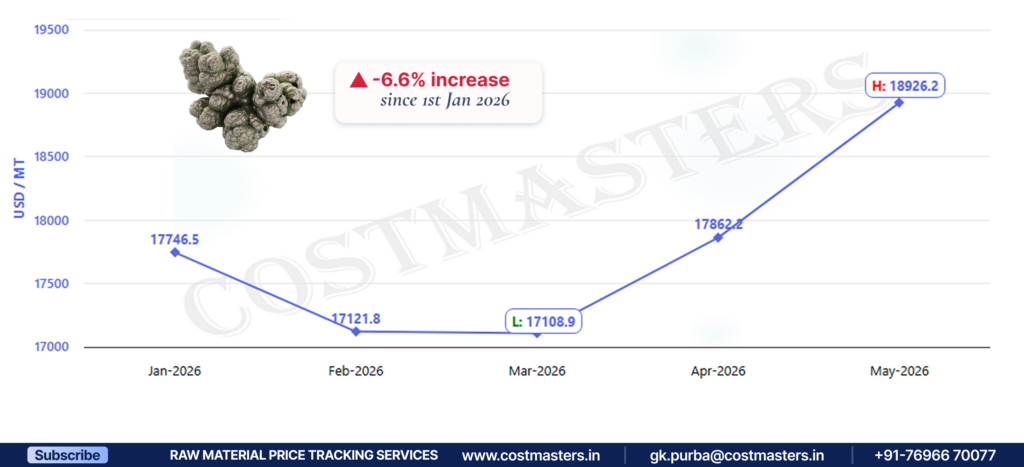
Jan-Feb’26
High global inventory levels and weak industrial demand outweighed the speculative optimism surrounding Indonesian mining quota cuts.
Feb-Mar’26
Annual permit approvals caused widespread bottlenecks and critical feedstock shortages.
Mar-Apr’26
New HPM pricing benchmarks structurally enforced a higher cost floor.
Apr-May’26
Surging sulfuric acid prices pushed up high-pressure processing cost floors.
Key Drivers
Regulatory Supply Governance
Indonesia’s shift to annual mining permits creates annual bottlenecks, structurally limiting global ore availability.
Mandatory Benchmark Pricing
The HPM formula serves as a government-administered price floor, removing smelter flexibility to negotiate lower costs.
HPAL Operational Inflation
Surging sulfuric acid prices have driven up production costs for battery-grade nickel, establishing a higher price floor.
Market Impact
Surplus-to-Deficit Pivot
Indonesia’s active supply management has successfully erased the 2025 surplus, shifting the global market to a structural deficit of approximately 32,000 tonnes for 2026.
Market Outlook
Trajectory: Volatile with a persistent upward bias.